From Signing to Move-In: What the New Home Building Process Actually Looks Like
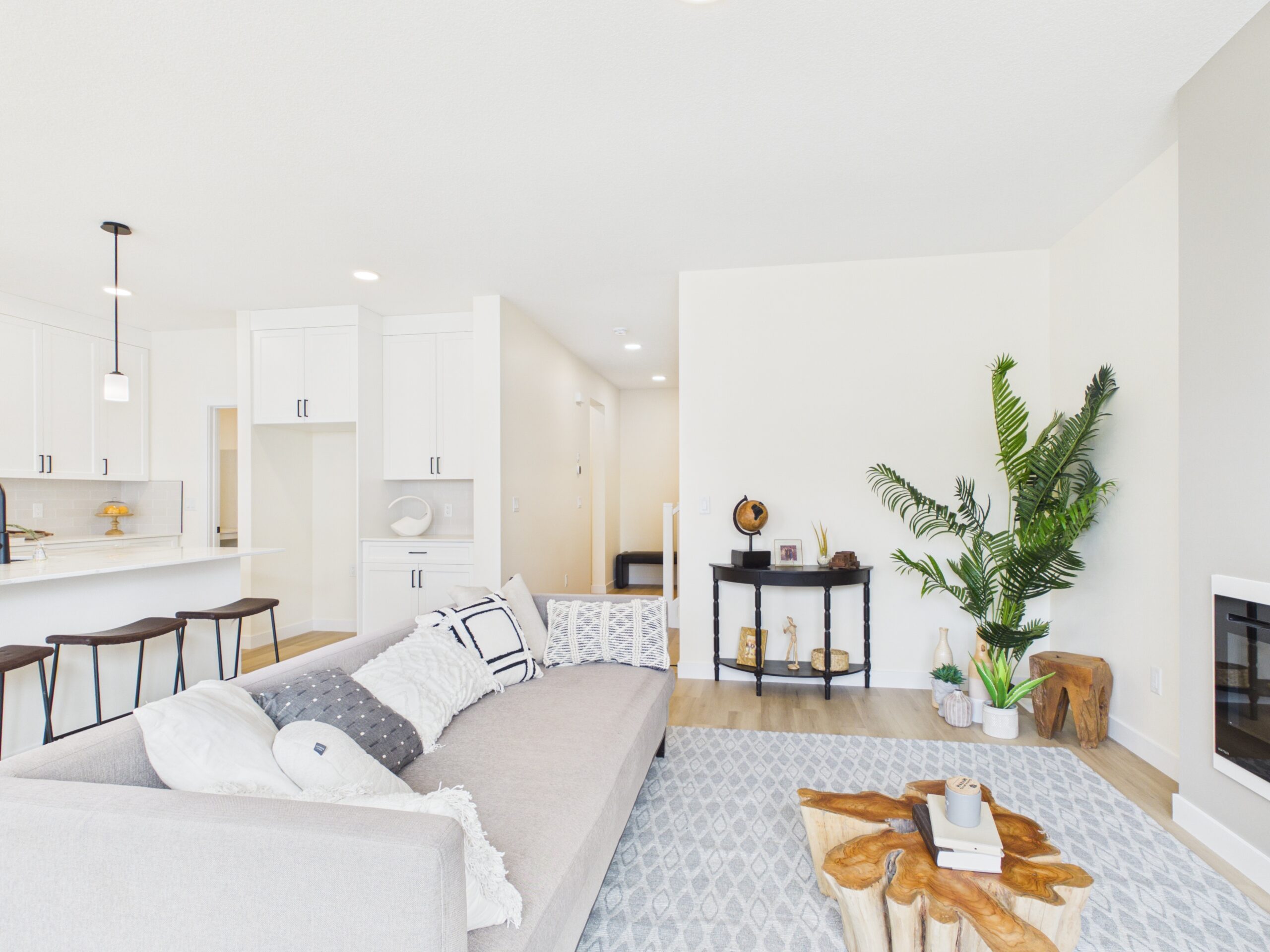
You’ve chosen your floor plan. You’ve signed the paperwork. Now what?
There’s a lot about the new home building process Alberta homebuyers should know, but for many first-time new construction buyers, the stretch between signing and possession feels like a mystery. You know your home is being built somewhere, but it’s hard to know what’s happening, when, and what you’re supposed to do in the meantime.
If you find yourself googling questions like “How long to build a home in Alberta?” or “What to expect when building a home in Edmonton?”, this is the guide for you!
Here’s the new home building process in Alberta broken down into five stages. Every builder runs things a bit differently, but the core sequence is consistent. Knowing what to expect makes the whole experience a lot less stressful.
Step 1: Permits and Pre-Construction
Before anyone breaks ground, your builder needs a building permit from the local municipality. In Spruce Grove or Stony Plain that means submitting drawings and site plans to the City or County. Edmonton runs its own permitting process. Smaller communities can turn permits around in two to four weeks. Larger centres can take longer.
This is also when you lock in your selections, colours, finishes, flooring, fixtures, and upgrades. The faster you make your choices, the smoother the build goes. This is one of the few parts of the timeline that is actually in your hands.
Browse our home designs to get a sense of what’s available before your design appointment.
Step 2: Site Prep, Excavation, and Foundation
Once permits are approved, the lot gets staked, graded, and excavated. In Alberta, foundations need to sit below the frost line, which typically means going at least 1.2 metres down.
Foundation work follows right after. Most homes in the Edmonton area use a poured concrete foundation. In summer the concrete cures within a few days. In winter there are added steps, including heated enclosures, insulated blankets, and temperature monitoring. Building through an Alberta winter is completely doable, but this stage takes longer. From excavation through backfill, expect one to three weeks.
Step 3: Framing and Rough-In Trades
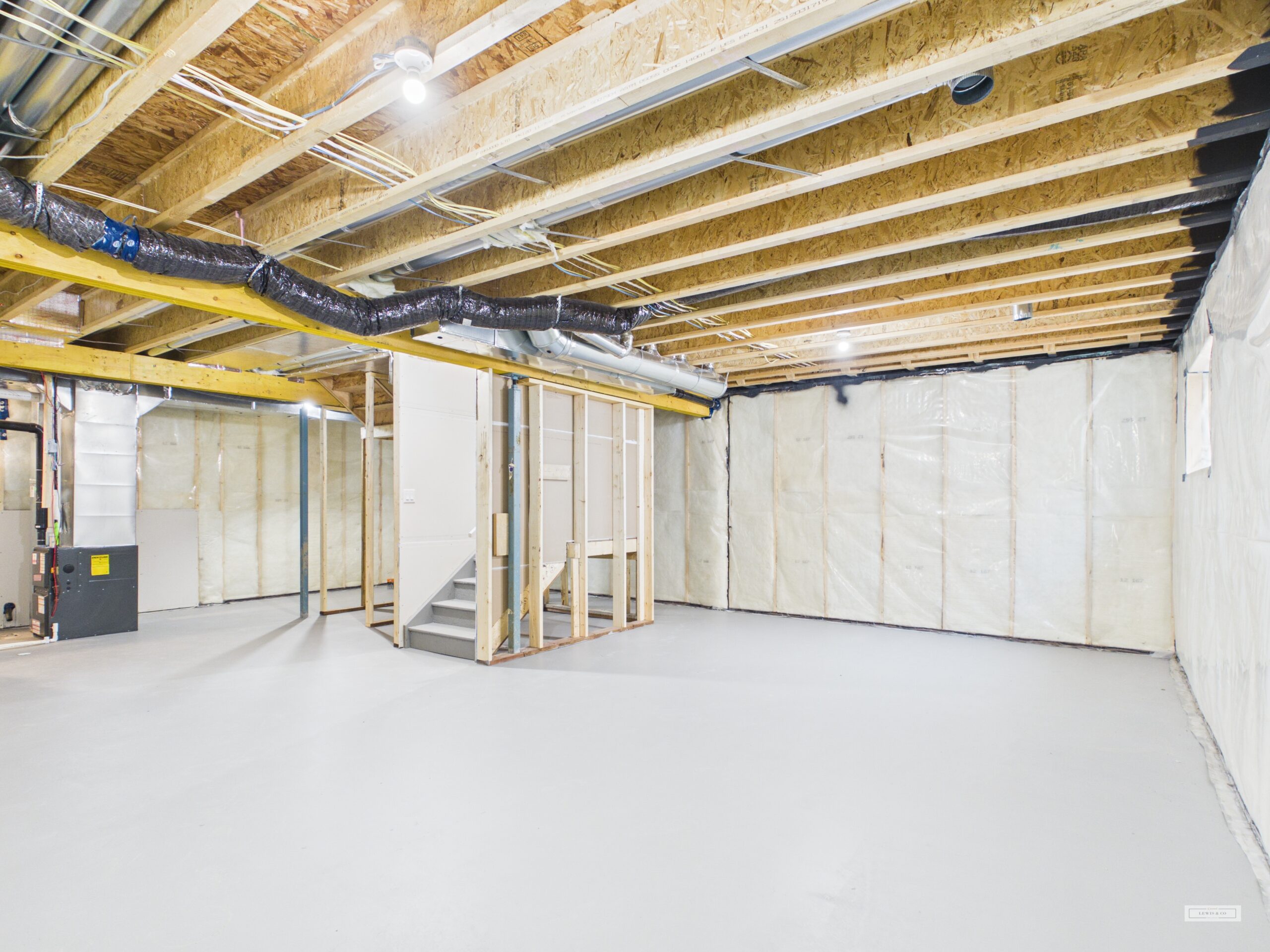
Framing is when the house starts to actually look like a house. Exterior walls, interior partitions, floor systems, and roof trusses all go up. A good crew can get the shell of a single-family home done in one to two weeks.
Once framing is inspected, the mechanical trades move in. Electrical, plumbing, and HVAC all run their rough-in work before the walls close in. Each trade needs a municipal inspection before insulation can proceed. This stage typically runs two to four weeks.
Step 4: Insulation, Drywall, and Interior Finishing
Insulation goes in once rough-ins pass inspection. Alberta’s climate means this stage gets more attention than it would elsewhere. Homes need to meet Alberta Building Code minimums, and many exceed them for better energy performance.
Then comes drywall, painting, flooring, cabinetry, countertops, tile, trim, doors, fixtures, and hardware. Each trade follows a specific sequence. This is also where your selections from Step 1 come to life. Interior finishing is the longest phase, typically running six to ten weeks depending on plan size and finish level. Exterior work including siding, roofing, garage doors, and grading runs parallel when weather allows.
Step 5: Final Inspections, PDI, and Possession
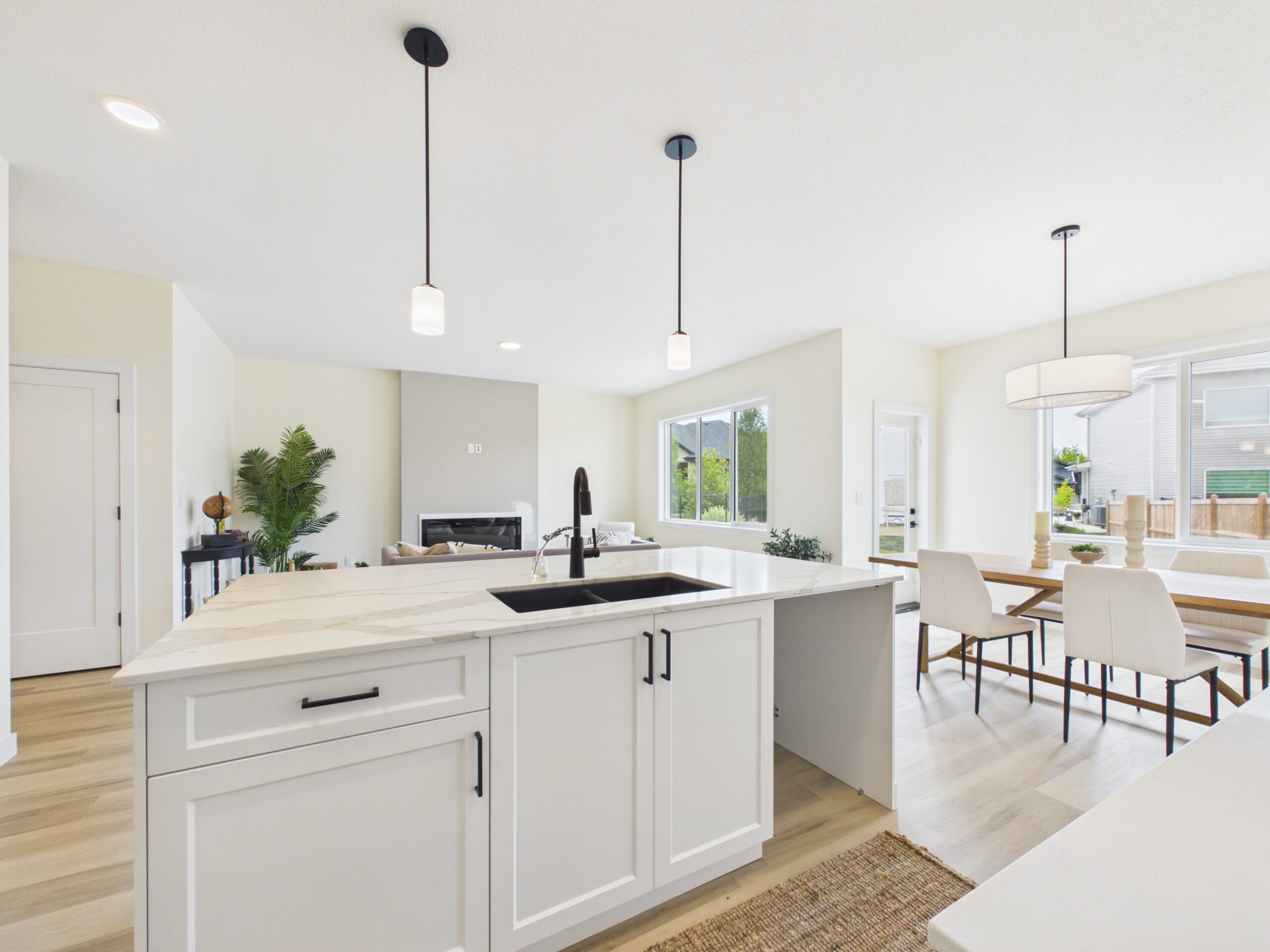
Before possession, the home needs a final inspection and an occupancy permit from the municipality. The inspector confirms the home was built to code and all systems work. Any deficiencies have to be corrected before the permit is issued.
In Alberta, new homes are also enrolled in the Alberta New Home Warranty Program. Your builder is required to register your home, and coverage kicks in at possession. The warranty covers defects in materials and labour, building envelope issues, and major structural problems, each on separate timelines.
A few days before possession you’ll do the Pre-Delivery Inspection, or PDI. Go through every room. Test every switch, faucet, and fixture. Write down anything that needs attention. Items noted at the PDI are documented and addressed under warranty. Bring a notepad, take photos, and don’t rush it.
You can read what past Alquinn buyers have said about the experience on our reviews page.
Get Started on Your Build
Building a new home in Alberta takes longer than buying an existing one. But you end up with exactly what you chose, built to current code, with warranty coverage from day one. Understanding the process makes the wait easier and makes you a more informed buyer from the first meeting through to possession.
If you’re looking at new construction in Spruce Grove, Stony Plain, Fort Saskatchewan, or the Edmonton area, take a look at our available communities or browse quick possession homes if you need to move sooner. Want to know more about the new construction timeline Spruce Grove and Greater Edmonton Area homebuyers can expect? When you’re ready to talk through next steps, our team is here.